Microblading and fusion brows are two of the most popular permanent makeup eyebrow techniques in Toronto, and both create hyper realistic, natural looking brows. The difference comes down to how they build the brow and who they suit best. In this comparison guide we break down microblading vs fusion brows so you can decide which one is right for your perfect brows.
The Short Answer
Microblading uses only fine, hair like strokes for the most natural, hair realistic finish, and it is best on normal to dry skin. Fusion brows combine those same microblading strokes with soft microshading underneath, adding depth, definition and longevity, and they suit almost every skin type, including oily and mature skin. If you want the most natural stroke only look and have suitable skin, microblading is wonderful. If you want fuller, longer lasting brows or have skin microblading does not serve well, fusion brows are usually the better pick.
1. What Is Microblading?
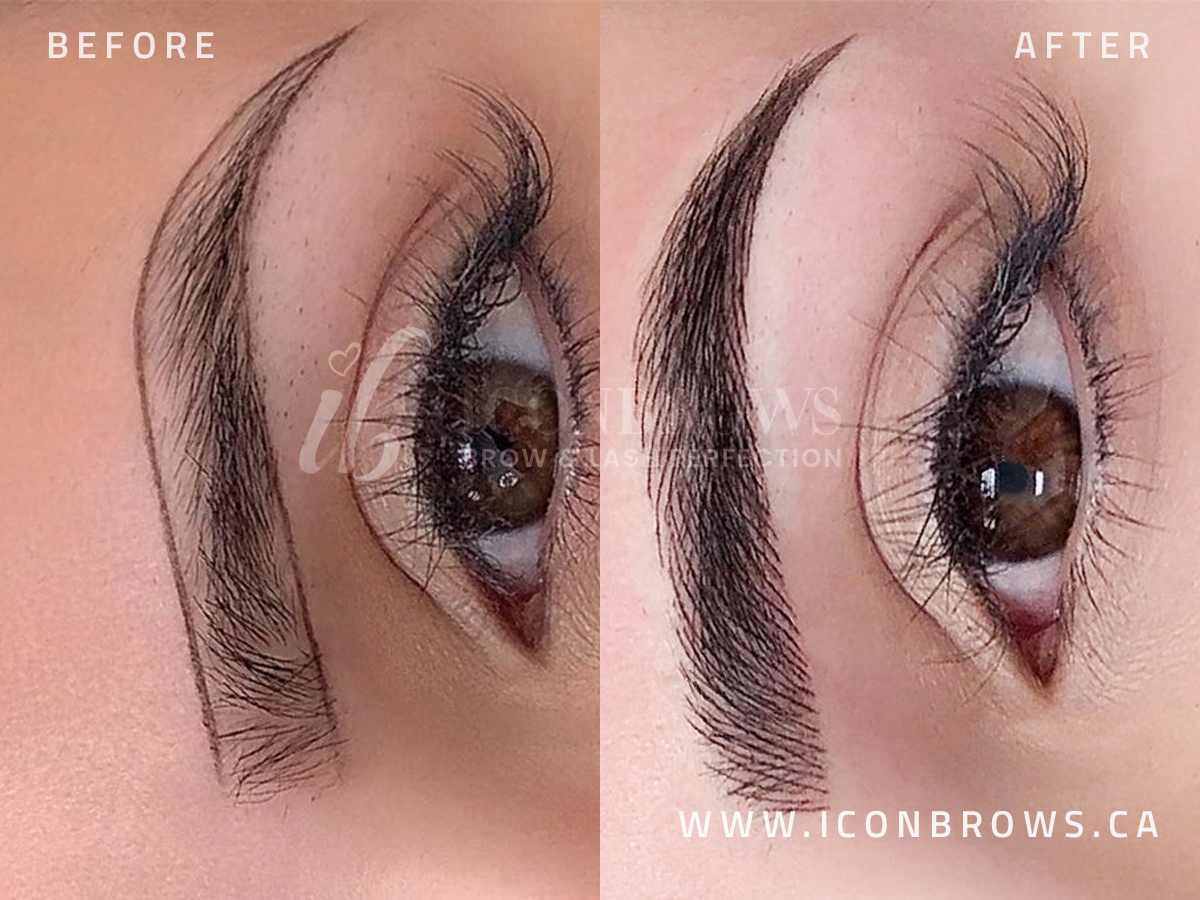
Microblading is a semi permanent technique where we use a handheld manual tool to draw individual hair like strokes of pigment into the upper layer of the skin. Each stroke follows your natural hair growth direction, so the healed result mimics real brow hairs. It is the most hair realistic of all the PMU techniques and is ideal for adding definition, filling small gaps and reshaping brows on normal to dry skin.
2. What Are Fusion Brows?
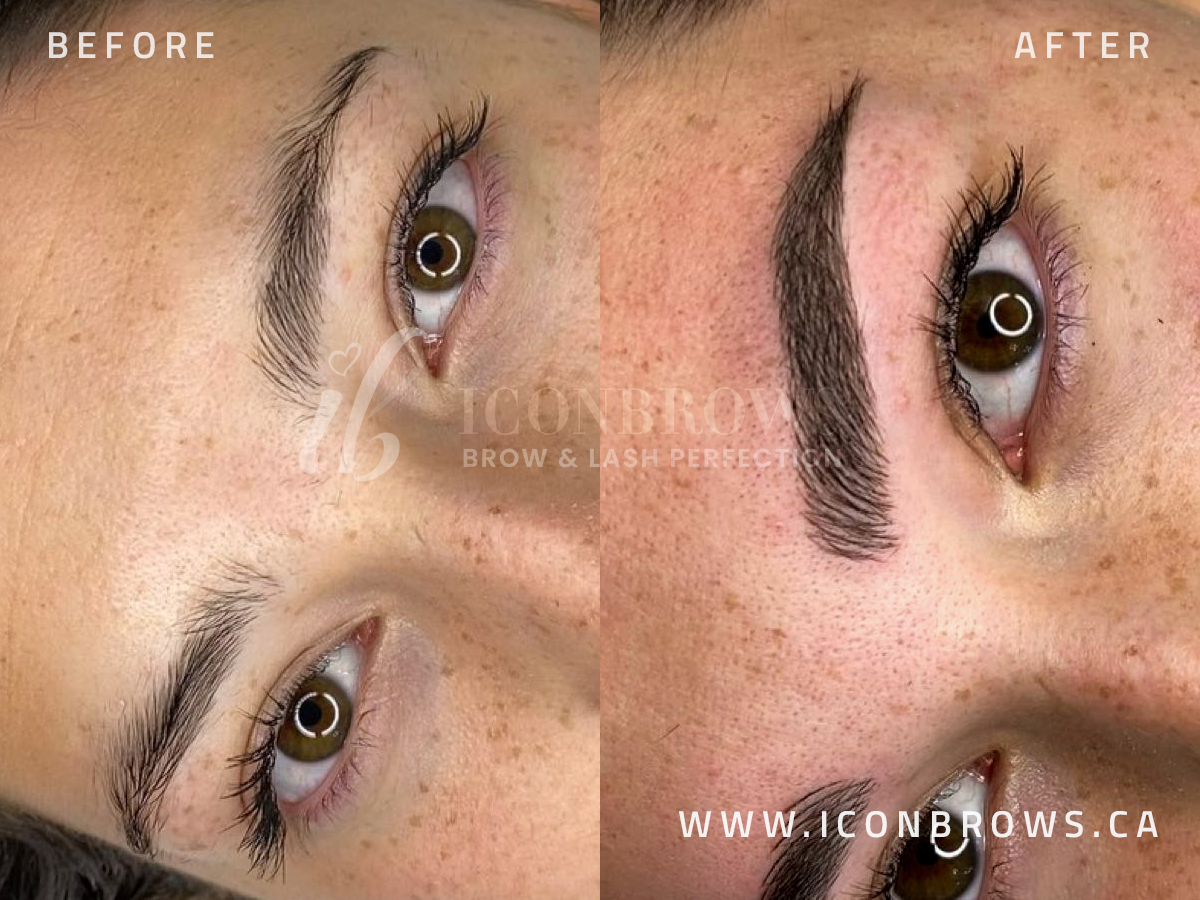
Fusion brows, also called combo or hybrid brows, are our True HDi technique that fuses two methods in one custom treatment. We first create fine microblading strokes to rebuild and define the brow, then add a soft, gradient microshading through and underneath the brow for density and a powdered finish. The two techniques fuse together, giving both the realism of strokes and the depth and staying power of shading, which is why fusion brows often deliver the best healed result of any brow PMU service.
3. How Do They Differ in Look and Technique?
Both techniques are designed to look natural, but they create that look differently:
- Microblading uses strokes only, for a crisp, hair by hair finish that looks like individual brow hairs up close.
- Fusion brows use strokes plus shading, for hair realism with added fullness and a soft, defined background.
- Microblading is applied entirely by a handheld manual tool.
- Fusion brows combine the handheld stroke tool with a machine for the shading.
- Up close, microblading looks the most natural, while fusion brows look fuller and more defined from a distance.
4. Which Skin Types Do They Suit?
This is often the deciding factor. Microblading is best for normal to dry skin, because oily skin and larger pores can blur the fine strokes and fade them faster. Fusion brows suit a much wider range of people:
- Microblading: ideal for normal to dry skin with some existing brow hair.
- Microblading: not ideal for very oily skin or mature skin around 50 plus.
- Fusion brows: great for oily and combination skin, where the shading helps hold the pigment.
- Fusion brows: great for mature and thinner skin that needs a softer, more forgiving technique.
- Fusion brows: excellent for full eyebrow recovery, rebuilding and correction.
5. How Long Does Each One Last?
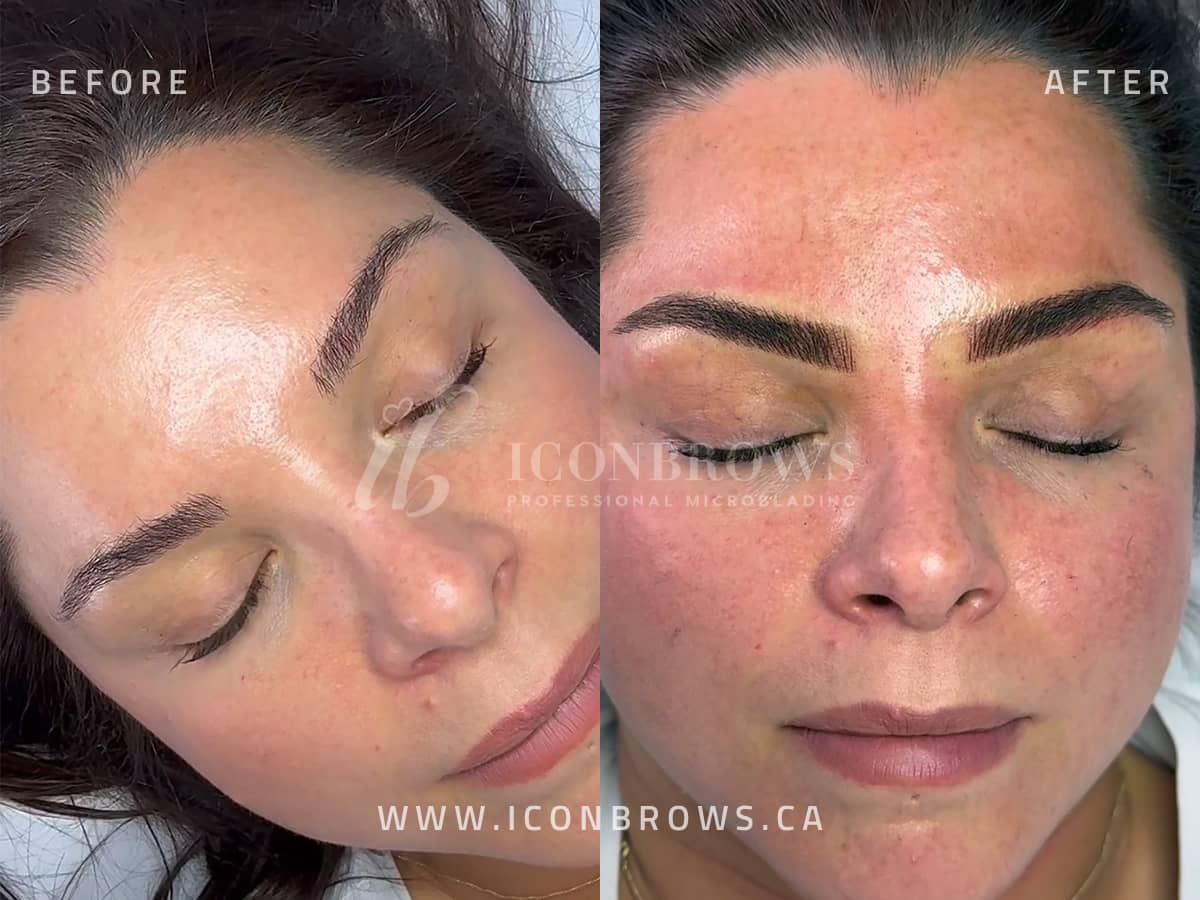
Both are semi permanent and fade gradually, but fusion brows generally hold longer thanks to the shading element. Microblading lasts around two to three years, while fusion brows last roughly two to five years, depending on your skin type, sun exposure, lifestyle and skincare routine. Oily skin and active exfoliating products fade pigment faster in both cases. We recommend a colour boost every twelve to twenty four months to keep either result looking crisp and fresh.
6. How Much Do They Cost in Toronto?
At Iconbrows, microblading is CAD $700 and includes a free Perfecting Touch Up, taking about three hours. Fusion brows are CAD $800 and include a complimentary Perfecting Touch Up, taking about three and a half hours, with the extra time and cost reflecting the added shading step. A new client cover up or correction of previous work is CAD $900 for either service. You can see current pricing on the microblading and fusion brows service pages.
7. Which Should You Choose?
If you have normal to dry skin, some existing brow hair, and you want the most natural, hair by hair finish, microblading is a beautiful choice. If you have oily, combination or mature skin, want fuller and longer lasting brows, or you are rebuilding sparse or over plucked brows, fusion brows are usually the better and more durable option, and they are the service we most often recommend for longevity. Many clients are not sure which suits them, and that is exactly what a consultation is for.
To dig deeper, read our full microblading guide and fusion brows guide, compare microblading vs microshading, or take the Brow Matrix quiz to find your match.
Conclusion
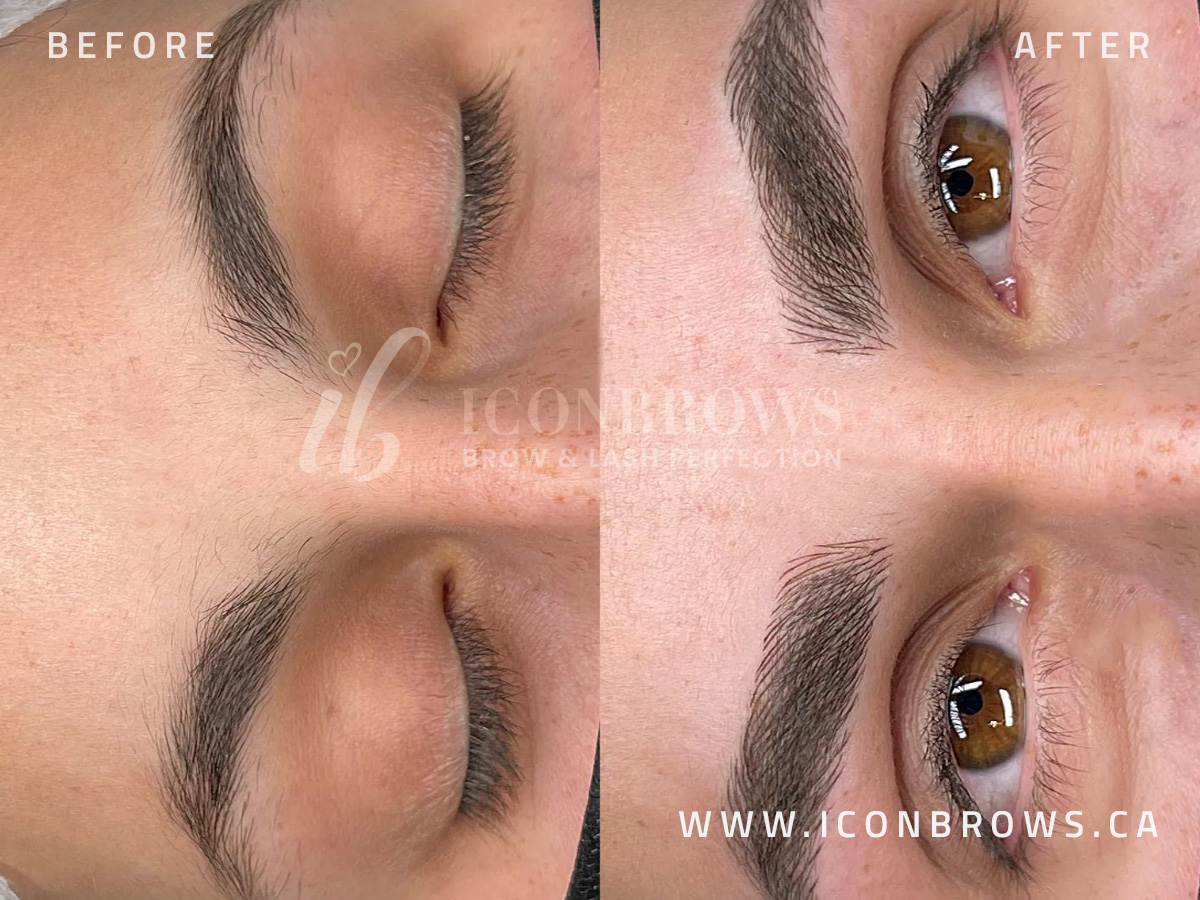
Microblading and fusion brows are both excellent, hyper realistic permanent makeup techniques. Microblading gives the most natural, stroke only finish on normal to dry skin, while fusion brows add soft shading for fuller, longer lasting brows that suit nearly every skin type and are ideal for recovery and rebuilding. The right choice comes down to your skin type, your goals and the look you love.
Iconbrows is one of Toronto top rated permanent makeup studios, based in Humber Bay Shores in Etobicoke and trusted by clients across Toronto and the GTA, including Mississauga, Oakville and Vaughan. Our brows are created by internationally trained experts led by Tara, with over ten years of experience and a long list of awards. Compare microblading and fusion brows, take the Brow Matrix quiz, or book your free online consultation today. If you would rather learn the craft, see our PMU training courses in Toronto.